
Dissertation Defense
Nov
20
2026
Nov
20
2026
Description
Marine fish ecology spans interconnected scales, from processes operating within individual organisms and habitats to community and biogeographic patterns across marine seascapes. Yet many dimensions of marine fish ecology cannot be readily observed using conventional approaches. My dissertation examines how molecular approaches can reveal these hidden dimensions of fish ecology across different scales and why molecular signals must be interpreted within their biological and environmental context. At fine ecological scales, I used the obligate sponge-dwelling goby Risor ruber to investigate ecological specialization at two interconnected levels. Field observations, life-history data, and genomics showed that sponge characteristics structure goby occupancy, group size, and social hierarchies, even though groups are assembled primarily from unrelated individuals. Microbiome sequencing further revealed extensive microbial overlap between R. ruber and their sponge hosts, suggesting that sponges provide not only shelter but also potential nutritional and protective benefits that change across goby development. Moving from individual associations to population and community monitoring, I examined both the potential and limitations of using environmental nucleic acids. A systematic review of 300 aquatic environmental DNA and RNA studies identified major geographic and methodological biases and a need for greater transparency and standardization. I then developed the first species-specific DNA and RNA assay for the southern flounder (Paralichthys lethostigma) and paired it with metabarcoding and long-term fisheries-independent surveys across Texas estuaries. Consistently low field detection across approaches indicated that life history, habitat use, and seasonality can constrain both conventional and molecular monitoring. Finally, I combined multi-marker eDNA metabarcoding, visual surveys, cryptobenthic fish collections, and ecological traits to examine reef-fish community structure and cross-plume connections between the Caribbean and Brazil. The results revealed strong regional turnover alongside previously overlooked cross-plume distributions, while showing how historical processes, species traits, marker complementarity, and reference gaps collectively shape apparent biogeographic patterns. Together, these chapters demonstrate that molecular tools can illuminate marine fish ecology from microbes to seascapes, but their ecological meaning ultimately depends on the natural history of the organisms, the habitats they occupy, and the reference frameworks used to interpret molecular signals.
Biography
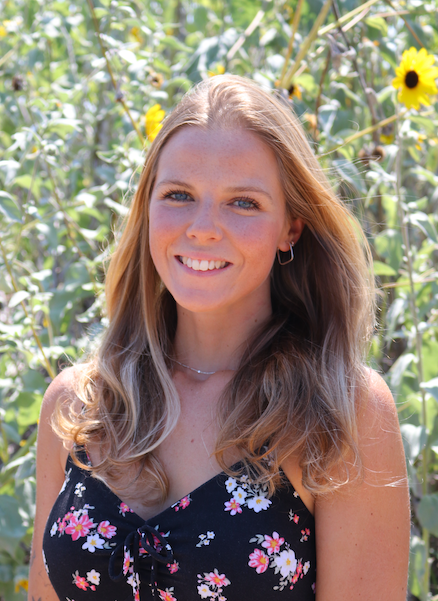
Ingrid Bunholi is a molecular ecologist and conservation geneticist completing her Ph.D. at the University of Texas Marine Science Institute. Her research integrates environmental DNA, community ecology, population genomics and bioinformatics to investigate species identification, population connectivity, ecological interactions, and biodiversity patterns across marine systems. She aspires to become a faculty member at a research institution, where she can lead a research program dedicated to understanding and conserving marine biodiversity while mentoring students who share her curiosity and passion for science.
Location
The Patton Center
This virtual event requires software to participate. Get help with Zoom or Microsoft Teams.
Meeting ID: 960 3305 7000 Passcode: 465215