The Science Behind the Catch
Discover how UTMSI scientists are advancing marine research at the 90th Deep Sea Roundup.
Port Aransas is known as the “Fishing Capital of Texas,” a destination for anglers and scientists alike. The city’s location provides quick access to offshore waters where prized game fish can be found, allowing for more time on the water and less in transit. The same geography makes the University of Texas Marine Science Institute (UTMSI) the most significant marine research facility on the Texas coast. On July 9–12, 2026, the 90th Deep Sea Roundup will be held in Port Aransas, uniting anglers and scientists in a shared effort to connect recreational fishing with research.
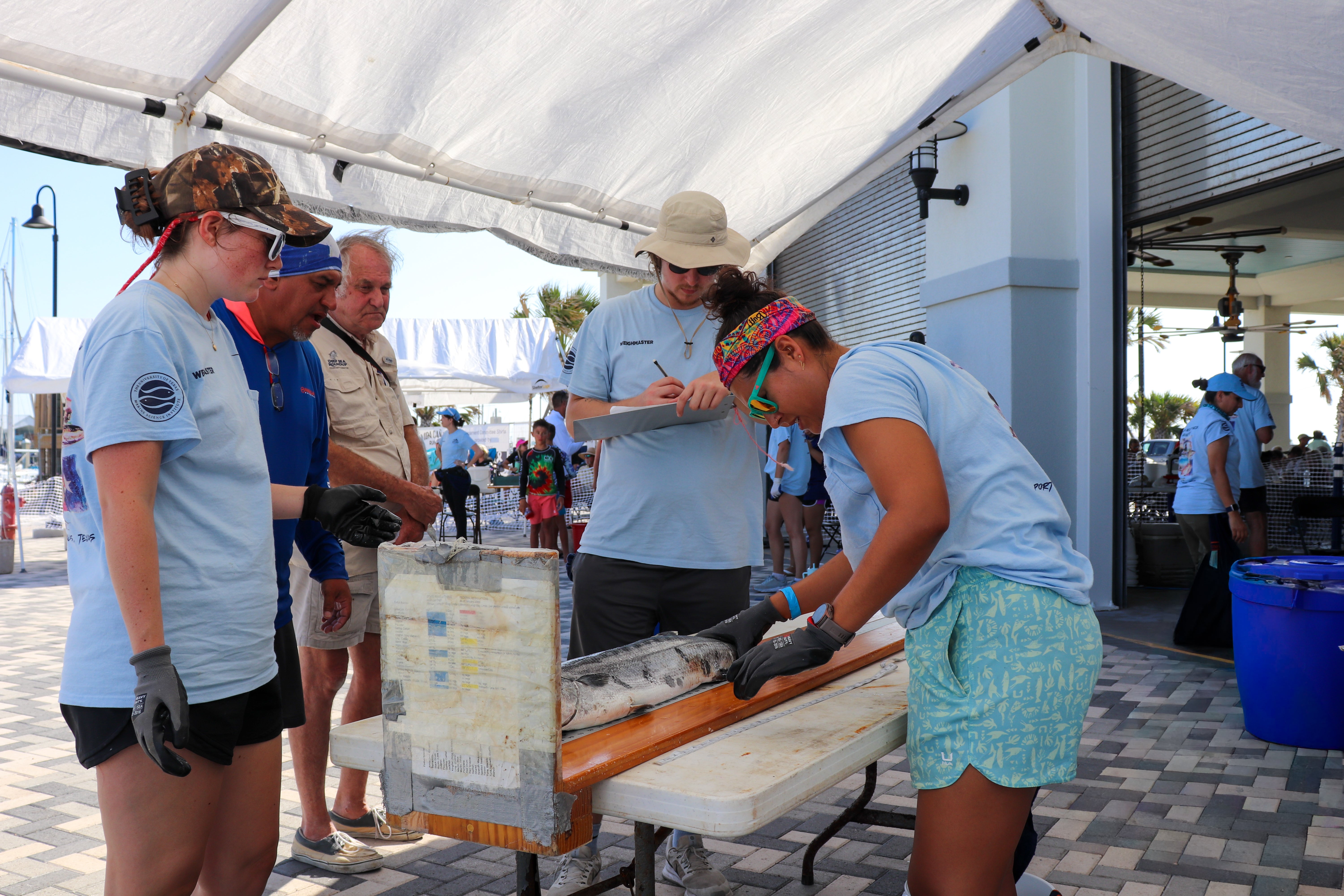
For over 20 years, UTMSI has played a crucial role in this beloved fishing tournament, with their involvement steadily increasing over the decades. What began with a few dedicated staff members in the 1970s has evolved into faculty, staff, and students manning the weigh-in station and dock operations to support the Port Aransas Boatmen Association.
Through the generosity of participating Deep Sea Roundup anglers, UTMSI researchers gain access to valuable samples that help answer important questions about Gulf fisheries and marine ecosystems. This long-standing collaboration provides researchers with an opportunity that would otherwise be difficult and costly to replicate through traditional field sampling alone. By allowing our researchers to collect samples of the fish caught during the tournament, anglers directly contribute to scientific discoveries that improve our understanding of the local environments. For this year’s Deep Sea Roundup, two UTMSI research labs will collect samples or whole fish during the weigh-in when permitted.
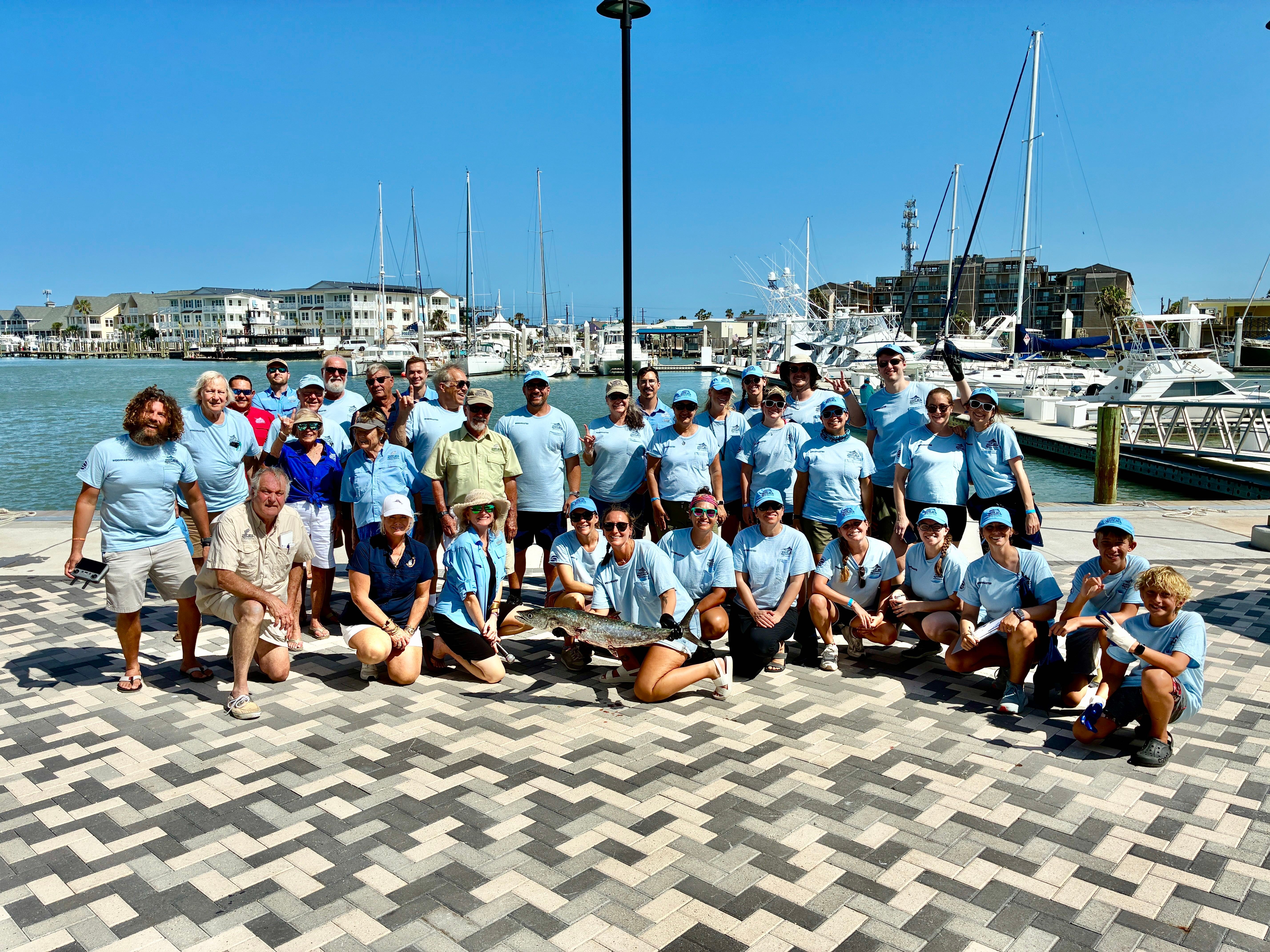
Participants, including UTMSI researchers, students, staff, and volunteers, gather for a group photo during the 89th Deep Sea Roundup in Port Aransas, Texas, in 2025.
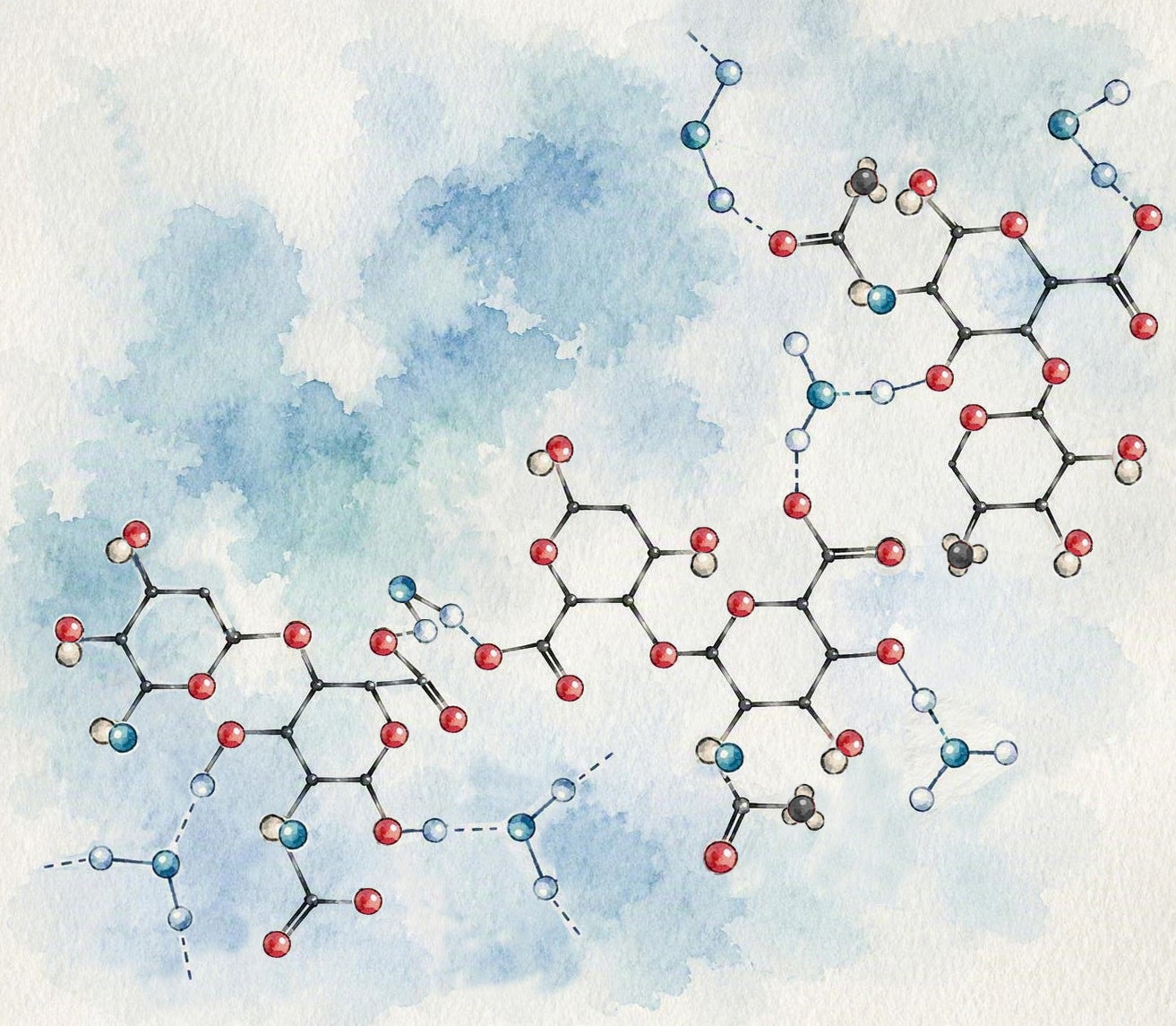
Dr. Simon Brandl’s lab, the Fish and Functions Lab, will focus on fish captured during the bay fishing portion of the tournament. Their research examines how Texas’ gamefish species acquire Vitamin B12, an essential nutrient that supports the nervous system, healthy red blood cell production, and energy metabolism in both fish and people. The lab will additionally determine whether the amount of Vitamin B12 found in different species is driven primarily by diet or by microbes - bacteria that create Vitamin B12 - living within the digestive tract. With the help of donated fish from participating anglers, the lab will dissect the fish offsite to the fish collect gut-content and muscle samples. The stomach sample will provide insight into the fish's recent diet, and muscle tissue samples will reveal the amount of Vitamin B12 stored in the fish. To trace these nutrients, the Brandl lab will conduct fatty-acid analyses, isotope analysis of amino acids, and trace element analysis. With seafood being one of the richest natural sources of Vitamin B12, the findings will provide scientists with a better understanding of what makes fish nutritious and how healthy coastal ecosystems contribute to the quality of seafood.
Dr. Sharon Herzka and her lab will focus on highly migratory tuna species, including Yellowfin, Blackfin, and Skipjack tuna. Her lab will collect fisheye lenses and muscle tissue during the offshore portion of the tournament. These samples provide natural records of a tuna’s life history. The eye lens grows throughout a fish’s life, allowing researchers to reconstruct the geographical locations where the fish has been throughout its lifetime. Muscle tissue provides insights into where the fish has been feeding over a few weeks to months. By conducting chemical analysis of these tissues, the results offer a record of where the fish has traveled and how it has used different habitats from birth to adulthood. The findings will help researchers better understand tuna migration patterns and habitat use across the Gulf.
While these research projects use a variety of data sources, the samples donated during the Deep Sea Roundup provide a valuable opportunity to expand scientists' understanding of Gulf marine ecosystems. Each donated sample contributes to a growing foundation about the Gulf and its fisheries. As the “Fishing Capital of Texas,” Port Aransas is uniquely positioned to bring together anglers and scientists in pursuit of a common goal: advancing our understanding of the marine environment while helping ensure the long-term health and sustainability of the resources that make this coastal community so special.